
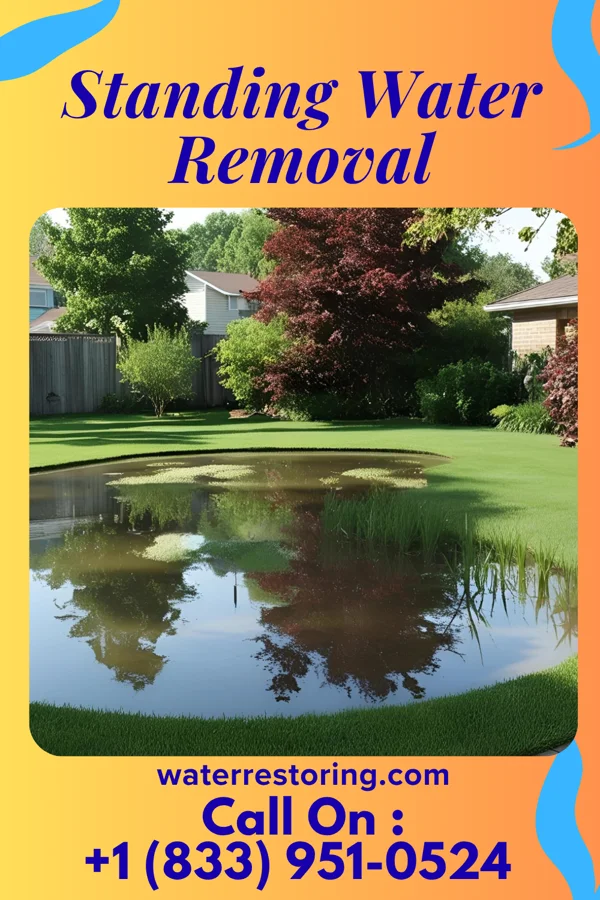
Why Clarksburg Standing Water Demands Fast Removal
Most water damage emergencies in Clarksburg start with In Clarksburg, Tennessee, the primary water damage cause is often due to heavy rainfall and flooding from nearby rivers, especially during spring storms. Additionally, agricultural runoff and drainage issues in rural areas contribute to water accumulation in homes and farmland.. A close second is Secondary causes include burst pipes from frozen water lines in winter, leaking septic tanks, and malfunctioning sump pumps in older homes. These issues are common in the rural setting of Clarksburg due to aging infrastructure.. From the second water touches the property, every minute changes what gets saved and what gets ripped out.
Clarksburg experiences a humid subtropical climate with frequent thunderstorms and heavy rainfall, increasing the risk of water damage. The area is also prone to flash floods, especially near the Clinch River and its tributaries.
Most standing water removal calls in Clarksburg come from In Clarksburg, Tennessee, the primary water damage cause is often due to heavy rainfall and flooding from nearby rivers, especially during spring storms. Additionally, agricultural runoff and drainage issues in rural areas contribute to water accumulation in homes and farmland.. Running a close second is Secondary causes include burst pipes from frozen water lines in winter, leaking septic tanks, and malfunctioning sump pumps in older homes. These issues are common in the rural setting of Clarksburg due to aging infrastructure.. Local mold risk: Mold growth can occur quickly in Clarksburg's humid climate, especially after flooding or leaks. Prompt water extraction and drying are critical to prevent mold damage in homes and barns.